Liposuction Farmington Hills for the Abdomen: What You Should Know
@ricardozqde131
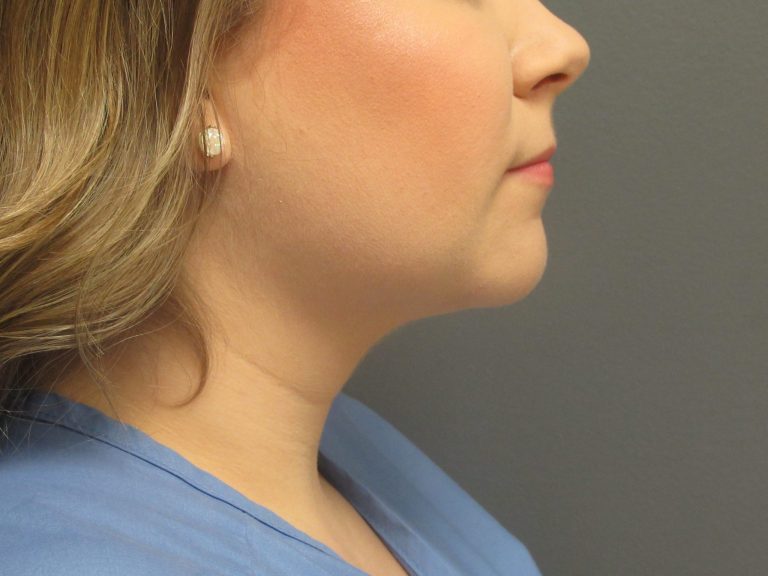
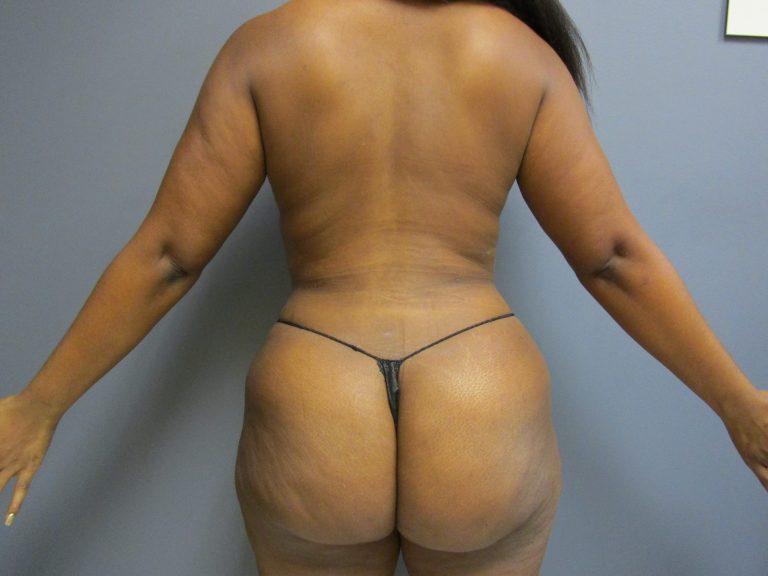
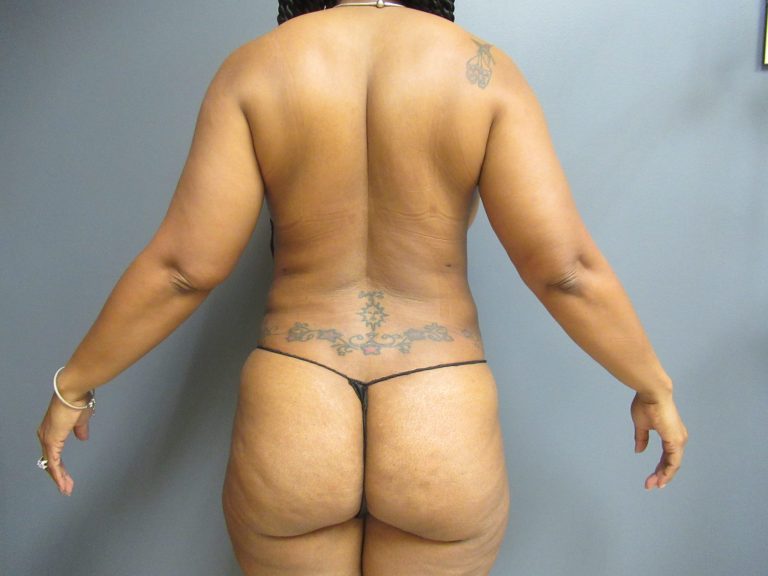
Abdominal liposuction is one of the most requested body contouring procedures for a simple reason: the midsection is stubborn. People can lose weight, clean up their diet, train consistently, and still feel frustrated by fullness or bulges across the upper abdomen, lower abdomen, or flanks. That frustration is real, and it tends to be especially pronounced when clothing fits everywhere else but pulls or bunches through the waist.
If you are researching Liposuction Farmington Hills options for the abdomen, it helps to approach the topic with a clear understanding of what the procedure can and cannot do. Liposuction can remove localized fat and improve contour. It does not tighten severely loose skin, repair muscle separation, or serve as a substitute for weight loss. Those distinctions matter because they shape both the recommendation and the final result.
The abdomen is also a more nuanced treatment area than many patients expect. A flat-looking stomach is not only about how much fat is present. Skin quality, muscle tone, the position of the belly button, existing scars, prior pregnancies, and how the flanks transition into the waist all play a role. A skilled surgeon does not treat the abdomen in isolation. They evaluate the whole torso so the result looks balanced from the front, side, and three-quarter view.
Why abdominal fat can be so resistant
Abdominal fat behaves differently from person to person. Some people carry a pinchable layer just under the skin, often called subcutaneous fat. Others are bothered by deeper internal fullness, which comes from visceral fat around the organs. Liposuction targets the first type, not the second. That is one of the most important facts to understand before scheduling a consultation.
A patient may say, “I want my stomach gone,” but on exam the issue may not be removable fat alone. I have seen very fit patients with a small pocket below the belly button that never responds to exercise. I have also seen patients who believed they needed liposuction when the more prominent factor was loose skin after weight loss or pregnancy. The treatment plan changes depending on what is actually causing the contour concern.
Age also matters, though not in a simplistic way. A healthy patient in their 50s with excellent skin elasticity may be a better liposuction candidate than a younger patient with stretch marks, thin skin, and a history of major weight fluctuations. Good surgical planning starts with tissue quality, not a birth date.
What abdominal liposuction is designed to do
The goal of abdominal liposuction is contour refinement. Surgeons use a small cannula to remove selected pockets of fat through tiny incisions, usually placed where they can heal discreetly. For the abdomen, the work often extends beyond the central stomach. Treating the upper abdomen without the lower abdomen, or the front without the sides, can create an unfinished Aesthetic Plastic Surgery & Laser Center Liposuction Farmington HIlls look. In many cases, contouring the flanks improves the abdominal result more than additional fat removal from the center.
This is why the best outcomes tend to look natural rather than dramatic in one isolated spot. A smooth waistline, less lower abdominal projection, and better definition through clothing usually matter more than a specific number of cubic centimeters removed. Patients often focus on volume because it feels measurable. Surgeons focus on shape because that is what the eye sees.
The procedure can be done using different techniques, including tumescent liposuction and energy-assisted methods. The names vary, and marketing can make one approach sound clearly superior to all others. In practice, results often depend more on surgeon judgment, patient anatomy, and careful aftercare than on branding alone. Technique matters, but technique in experienced hands matters more.
The difference between liposuction and a tummy tuck
This is where many abdominal contouring consultations become clearer. Liposuction removes fat. A tummy tuck, or abdominoplasty, removes excess skin and can tighten separated abdominal muscles. Some patients need one or the other. Some benefit from both. Many people initially prefer liposuction because it sounds less invasive, but a less invasive treatment is not always the treatment that gives the best result.
A common example is the patient after pregnancy who has loose skin around the belly button, stretch marks in the lower abdomen, and muscle separation that causes bulging. Liposuction alone may reduce some fat, but it can leave the skin looking looser and do nothing for the weakened abdominal wall. In that case, a tummy tuck often addresses the root problem more effectively.
On the other hand, someone with firm skin, stable weight, and a discrete lower abdominal fat pad may be an excellent candidate for liposuction without needing skin excision. The distinction is not academic. It determines whether the result looks tighter and smoother, or simply smaller but still unsatisfactory.
Who tends to be a good candidate
The best abdominal liposuction candidates usually have realistic expectations, a stable weight, and localized fat that has not improved with lifestyle changes. They also need enough skin elasticity for the area to retract after fat is removed. If the skin does not contract well, even an accurately performed liposuction can leave irregularity or laxity that bothers the patient afterward.
Good candidacy often looks like this:
- weight is relatively stable, often within a reasonable range of goal weight
- the main concern is pinchable abdominal or flank fat, not major loose skin
- overall health is good, with no uncontrolled medical issues that raise surgical risk
- smoking or nicotine use has stopped long enough to support healing
- expectations center on contour improvement, not a complete body transformation
These are guidelines, not hard rules. A consultation should still be individualized. I have seen borderline candidates become good candidates after stabilizing their weight for several months. I have also seen patients who technically qualified for surgery but were emotionally expecting a result that no contouring procedure could deliver. Good planning includes the physical and the psychological side of readiness.
What happens during a consultation
A strong consultation should feel specific, not generic. The surgeon should examine the upper and lower abdomen, assess skin elasticity, and look at the transition zones into the flanks and lower back. They may ask about pregnancies, prior abdominal surgeries, hernias, weight changes, and whether you feel bloated or distended at the end of the day. That last detail can seem minor, but sometimes what patients call “fat” is partly posture, core weakness, or internal fullness.
Photographs are typically part of the planning process. They help the surgeon evaluate asymmetries that are easy to miss in a quick glance. Almost everyone has some natural asymmetry. One side of the waist may sit slightly higher. One lower abdominal fold may be deeper. The pelvis itself can tilt subtly. A careful surgeon points these things out beforehand so normal anatomic differences are not mistaken for surgical error later.
This is also the time to discuss whether abdominal liposuction alone makes sense or whether another procedure should be considered. A trustworthy recommendation is not always the least invasive one, and it is not always the most extensive one either. It is the one that best matches the anatomy in front of the surgeon.
Questions worth asking before you decide
The quality of the consultation often shows up in the questions you ask and the answers you receive. Short, direct questions can reveal a lot about planning and safety.
- am I dealing mostly with subcutaneous fat, skin laxity, muscle separation, or a combination
- will treating the flanks improve my abdominal result
- how much improvement is realistic for my body type
- what will recovery actually feel like during the first two weeks
- if liposuction is not enough, what alternative would you recommend and why
You do not need a rehearsed script. What matters is whether the surgeon answers in concrete terms. “You’ll look great” is not a useful answer. A better answer might be, “I think we can reduce the lower abdominal fullness and improve the waistline, but your skin above the belly button is only moderately elastic, so I would not promise a tight, athletic contour.” That kind of specificity is valuable.
The procedure itself, in practical terms
Abdominal liposuction is commonly performed in an accredited surgical facility, often under local anesthesia with sedation or general anesthesia depending on the extent of treatment and whether other areas are being addressed. Small incisions are made in carefully chosen locations. A tumescent solution is infused to reduce bleeding and help with comfort, then fat is removed through a cannula using controlled, layered movements.
That description sounds straightforward, but the artistry is in restraint and evenness. Overresection can create hollows, tethering, and contour deformities. Underresection may leave the patient feeling unchanged. The surgeon has to read the tissue as they work, paying attention to thickness, fibrousness, and transitions from one zone to another.
The upper abdomen is often more fibrous than patients expect, especially in men. The lower abdomen can be softer and more forgiving, but it also reveals irregularities more easily when skin quality is poor. The flanks frequently respond well and can dramatically sharpen the waistline. In many cases, improving the side view does as much for patient satisfaction as flattening the front.
Recovery is not instant, even when incisions are small
One of the biggest surprises after abdominal liposuction is how long swelling can linger. Patients often expect a quick before-and-after timeline because the incisions are tiny. In reality, swelling evolves over weeks and then continues settling over months. The early contour can look uneven, puffy, or firmer than expected. That does not automatically mean something is wrong.
Bruising usually improves in the first couple of weeks. Soreness often feels like a deep workout or a strong bruise rather than a sharp pain, though experiences vary. Compression garments are commonly recommended to help control swelling and support the tissues as they heal. Some surgeons also advise lymphatic massage or structured post-op care, depending on the technique used and the patient’s tendency to retain fluid.
Most healthy patients can return to desk work within several days to a week, though that window shifts depending on how extensive the treatment was. More vigorous exercise usually waits longer. The exact timing should come from your own surgeon, because recommendations differ and should reflect your procedure, your healing, and any other medical factors.
Patience matters here. At two weeks, you are usually still in the recovery story, not at the end of it. At six weeks, you may see a clearer shape, but subtle swelling can still be present. Final contour often continues refining for several months. Patients who understand this ahead of time tend to be less anxious and more satisfied.
What results usually look like
A successful result often shows up in ordinary moments before it shows up in photos. Pants close more comfortably. A fitted dress falls better through the waist. A shirt no longer tents outward from the lower abdomen. You may notice definition returning to areas that were blurred by fullness, especially when the flanks are treated along with the stomach.
Not every result is a dramatic washboard transformation, and advertising sometimes sets the wrong expectation. If someone has thick skin, mild laxity, or a naturally softer frame, the outcome may be a better proportioned torso rather than sharply etched abdominal lines. That can still be a very good result.
The most satisfied patients are often those who wanted improvement, not perfection. They wanted their body to look more in line with the effort they were already putting into their health. Liposuction can be very effective for that purpose. It becomes disappointing mainly when it is expected to solve issues outside its lane, such as severe skin looseness, poor posture, or weight regain.
Risks and trade-offs deserve plain language
Every surgical procedure carries risk, and abdominal liposuction is no exception. Swelling, bruising, temporary numbness, and fluid retention are common parts of recovery. More significant issues can include contour irregularities, asymmetry, prolonged firmness, infection, seroma, or changes in skin sensation. Though uncommon in experienced hands and properly selected patients, more serious complications are still part of informed consent.
Contour irregularity is the risk patients worry about most, and with reason. The abdomen is a broad, visible surface. Small unevenness can catch light in a way that makes it more noticeable. Risk tends to rise when skin elasticity is poor, when too much fat is removed, or when a patient returns to strenuous activity too early. Revision is possible in some cases, but revision surgery is usually more difficult than the original operation.
There is also the trade-off between aggressiveness and smoothness. Some patients ask for very aggressive fat removal because they want the flattest possible abdomen. That approach can work in select cases, especially with excellent skin tone, but it can backfire when tissues are less forgiving. A slightly more conservative contour that ages well is often preferable to an overdone result that looks unnatural or uneven.
How pregnancy, weight changes, and age affect the decision
Future plans matter. If pregnancy is likely in the near future, many surgeons advise waiting on abdominal contouring unless there is a strong reason to proceed Liposuction Farmington HIlls sooner. Pregnancy can stretch skin and abdominal tissues again, potentially changing the result. Liposuction does not prevent pregnancy-related body changes.
Weight stability matters just as much. Liposuction removes fat cells from treated areas, but remaining fat cells can still enlarge if weight is regained. The abdomen may not return to its exact preoperative state, yet contour can soften substantially with significant gain. Patients who do best long term usually have habits they can maintain, not crash diets or short bursts of exercise.
Age changes the discussion mostly through tissue behavior. Skin generally loses elasticity over time, and hormonal shifts can alter where the body stores fat. That does not mean older patients should avoid liposuction. It means the plan should reflect what the tissues can reasonably deliver.
Choosing a surgeon in Farmington Hills
When comparing Liposuction Farmington Hills practices, credentials matter, but so does the quality of the conversation. You want someone who performs body contouring regularly, evaluates candidly, and does not rush past concerns about skin quality or recovery. Before-and-after photos should show patients with body types that resemble yours, not only ideal cases.
Pay attention to the details that are easy to overlook. Does the surgeon comment on your flanks when you ask about your stomach? Do they explain where incisions are likely to go? Do they mention what the procedure cannot fix? Those are often signs of thoughtful planning rather than sales language.
The setting matters too. Surgery should be performed in an appropriate, accredited facility with trained staff. Postoperative follow-up should be clearly explained. If a practice seems highly polished online but vague about recovery, revision policy, or who will see you after surgery, that is worth noting.
Cost, value, and the mistake of shopping by price alone
Abdominal liposuction pricing varies based on the extent of treatment, the setting, anesthesia, whether the flanks are included, and the surgeon’s experience. A lower quote is not always a better value. If one office prices the abdomen alone while another includes the abdomen and flanks with more comprehensive follow-up, those are not equivalent plans.
Patients understandably want financial clarity, and they should get it. Ask what the quote includes and what could add to the final cost. Also ask what happens if a minor touch-up or revision is needed. The cheapest procedure can become expensive if the result is disappointing or if aftercare is sparse.
At the same time, high cost alone does not prove quality. The right question is whether the recommendation is sound, the surgeon is experienced, the facility is appropriate, and the expected result matches your anatomy and goals.
When to pause instead of pushing ahead
Sometimes the smartest move is to wait. If your weight is changing rapidly, if you have recently had a baby, if you are still building a sustainable exercise routine, or if you are hoping surgery will fix broad dissatisfaction with your body, a pause can be wise. A better headspace and a more stable baseline often lead to better decisions.
I have seen patients benefit from taking three or four months to stabilize their habits before scheduling surgery. They often arrive at the procedure with clearer expectations and recover more smoothly because they are already hydrated, nourished, and physically stronger. Surgery works best when it complements your routine, not when it tries to rescue it.
What most people are really asking
When someone asks about abdominal liposuction, what they usually mean is, “Will I finally feel comfortable with my midsection?” The honest answer is that many patients do feel significantly better after a well-chosen, well-executed procedure. Their abdomen looks smoother, clothes fit better, and they stop fixating on the same stubborn area every morning.
But that result depends on matching the procedure to the problem. If the issue is localized fat with decent skin tone, abdominal liposuction can be an excellent option. If the issue is loose skin, muscle separation, or deeper internal fullness, the plan may need to be different. The value of a good consultation is that it separates hope from anatomy and turns both into a practical decision.
For patients exploring Liposuction Farmington Hills for the abdomen, that is the mindset worth bringing to the process. Ask direct questions. Expect specific answers. Focus less on hype and more on fit, judgment, and long-term satisfaction. The abdomen is a small area on the body, but it is one people notice every day. It deserves a careful plan.
Aesthetic Plastic Surgery & Laser Center, Michelle Hardaway M.D.
27920 Orchard Lake Rd
Farmington Hills, MI 48334
(248) 221-1957
FAQ About Liposuction Farmington Hills
What disqualifies you from getting liposuction in Farmington Hills?
A surgeon may recommend postponing or avoiding liposuction if a health condition, medication, or nicotine use raises the risk of surgery or poor healing. A consultation is needed to assess your medical history and whether the procedure fits your goals.
Can liposuction remove 20 pounds?
Liposuction is a body contouring procedure for localized fat. It is not a weight loss treatment, and a specific number of pounds is not a safe or useful target. The surgeon determines how much can be removed safely for each patient.
What are the risks of liposuction?
Risks include infection, changes in sensation, uneven contours, and complications from anesthesia or blood clots. A plastic surgeon can explain which risks apply to you and what to expect during recovery.