Liposuction Farmington Hills for Men: Everything You Need to Know
@ricardozqde131
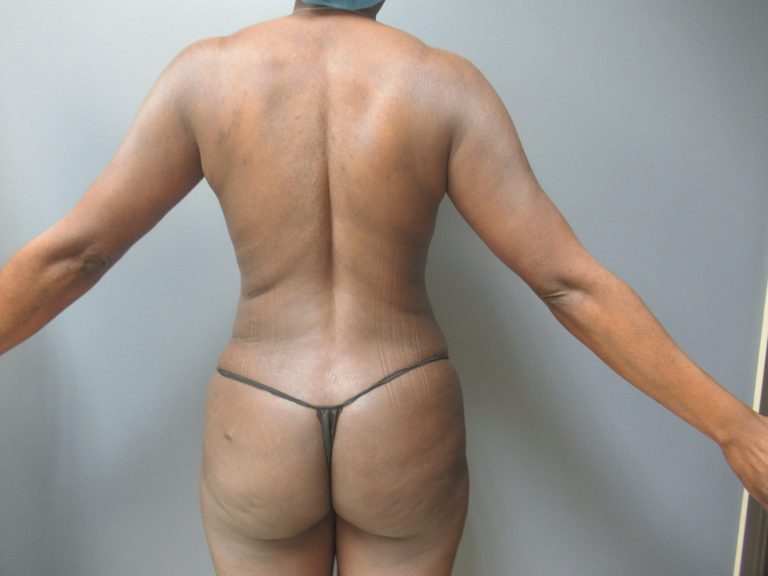
Men often arrive at the point of considering liposuction after years of doing what they were told should work. They clean up their diet, they lift weights, they cut back on alcohol, they add cardio, and still certain areas stay stubbornly unchanged. The lower abdomen hangs on. The flanks soften the waistline. The chest looks puffy under a fitted shirt. Under the chin, a small pocket of fat can make a lean, athletic man look heavier than he is.
That frustration is usually what brings men to ask about Liposuction Farmington Hills options. Not because they want a dramatic transformation that looks obvious, but because they want their effort to show. Most men are not looking for a sculpted, overly etched result. They want a stronger outline, cleaner lines in clothing, and a body that looks more in line with how they already live.
Male liposuction is not simply female liposuction with a different patient. Men tend to store fat differently, heal differently, and often have different priorities. They also tend to ask different questions. Can I get back to work quickly? Will it look natural? Can this fix the chest area? Is this a weight loss procedure? Will people notice?
Those are the right questions, and the answers deserve more than a quick sales pitch.
Why men choose liposuction in the first place
The most common reason men pursue liposuction is localized fat that resists diet and exercise. This matters because body fat is not distributed evenly, and genetics can override discipline in certain zones. A man may be genuinely fit overall and still carry fullness at the waist or chest. That does not mean he is doing something wrong. It means fat biology is not always cooperative.
In practice, the areas men ask about most often are the abdomen, love handles, chest, neck, and sometimes the lower back. Each area creates a different aesthetic problem. Fat in the flanks can blur the V shape of the torso. Fat in the lower abdomen can create a rounded profile even in men who are otherwise slim. Fat in the chest may contribute to a soft appearance that is hard to hide in lightweight clothing or swimwear.
There is also a psychological side that should not be brushed aside. Men often minimize how much these concerns affect them, but they change behavior in quiet ways. Some avoid fitted polos, some skip beach vacations, some stand differently in photos, some keep a T shirt on at the pool. Cosmetic surgery conversations can be easy to trivialize, yet body confidence affects posture, wardrobe choices, intimacy, and even professional presence.
What liposuction can and cannot do
Liposuction removes fat cells from targeted areas. It is a contouring procedure, not a substitute for meaningful weight loss. That distinction is essential. If a man is expecting liposuction to solve obesity, poor fitness, or a generally unhealthy lifestyle, the procedure will disappoint him. If he is close to his goal weight and wants to refine stubborn areas, it can be very effective.
It also matters to understand what liposuction does not correct well on its own. It does not tighten significantly loose skin. It does not reliably sharpen muscles that are not there. It does not fix a protruding abdomen caused by weak abdominal muscles, bloating, or deeper visceral fat around the organs. That deeper internal fat is common in men and cannot be suctioned out because it is not located in the layer that liposuction treats.
This is where a good consultation earns its value. An experienced surgeon will distinguish between subcutaneous fat, which is the pinchable layer under the skin, and visceral fullness, which creates a firm, rounded abdomen from the inside. Men with a lot of visceral fat may improve less than they expect from liposuction alone. The contour can still get better, but the result has a ceiling.
The male areas that respond best
For many men, the waist is the highest yield area. Trimming the flanks and lower abdomen often changes how nearly every pair of pants fits. It can also make the upper body look more athletic without touching the chest or arms. A relatively modest reduction in the waist can have an outsized visual effect because it restores contrast between the torso and the hips.
The chest is another major category, though it requires careful evaluation. Some men have excess fat in the chest, which may improve nicely with liposuction. Others have true gynecomastia, where glandular tissue contributes to fullness beneath the nipple. Gland tends to be firmer and may not respond adequately to liposuction alone. In those cases, a surgeon may recommend a combined approach that includes direct gland removal through a limited incision. That distinction is one reason men should not assume all chest contouring is the same procedure.
The neck and jawline can also benefit, particularly in men who have decent skin elasticity and a localized pocket under the chin. A cleaner cervicomental angle, the transition from jaw to neck, can make someone look fitter and sometimes younger. It is one of those changes that friends may notice without being able to identify exactly why.
What makes male liposuction different
Male skin is often thicker, male fat can be denser, and the aesthetic target is different. Most men do not want a soft, narrowed silhouette. They want structure. That means the surgeon has to work with restraint and precision. Too little change leaves the patient underwhelmed. Too much removal, or the wrong pattern of removal, can create hollows or an artificial look.
There is also the issue of scar tolerance and downtime. Men commonly want the smallest visible signs of surgery and the shortest interruption to work and exercise. That is reasonable, but it should not be confused with zero recovery. Even minimally invasive body contouring produces swelling, soreness, temporary unevenness, and a period where results are not yet polished.
Another difference is expectation management around the abdomen. Many men come in hoping for a six pack reveal. Liposuction can enhance definition in selected patients, especially those who are already lean, but it cannot create fitness that is not there. If the abdominal wall lacks tone or the body fat percentage remains moderate to high, the result may be slimmer and better proportioned without looking sharply etched. For most men, that is actually the more natural and desirable outcome.
Who is a strong candidate
A strong candidate is usually in good general health, near a stable weight, and bothered by distinct areas that have not responded to consistent lifestyle efforts. Stable weight matters more than many people realize. If a man gains a significant amount after surgery, the improved contour can soften. If he loses a lot after surgery, skin laxity can become more apparent.
Good skin elasticity helps too. Younger patients often have an advantage, but age alone is not decisive. I have seen men in their forties and fifties heal beautifully because their skin quality remained strong and their weight had been stable for years. I have also seen younger patients with stretch marks, major weight fluctuations, or thin tissue quality who needed a more cautious conversation about what was realistic.
The ideal mindset is practical, not magical. Men who do best tend to view liposuction as a targeted tool. They are not chasing a new identity. They are correcting a specific mismatch between effort and appearance.
What to ask during a consultation
A consultation should feel less like a pitch and more like a diagnostic discussion. If it feels rushed, generic, or overly promotional, that is useful information in itself. You want a surgeon who explains where fat is located, how much improvement is realistic, what limits the result, and whether another approach might fit better.
A few questions tend to separate a superficial consult from a serious one:
- Am I dealing with subcutaneous fat, visceral fullness, loose skin, or a combination?
- Is liposuction alone enough for my chest, or is gland tissue likely part of the problem?
- What kind of result would look natural on my frame?
- How much swelling should I expect, and when do men usually look presentable at work?
- If I were your family member, would you recommend doing this now or waiting?
That last question often leads to the most candid answer.
Techniques and terminology, without the marketing haze
Men researching Liposuction Farmington Hills services will run into a long list of terms: tumescent liposuction, power assisted liposuction, ultrasound assisted devices, laser based systems, high definition contouring, awake procedures, and more. The terminology can make the field sound more complicated than it needs to be.
At a practical level, what matters most is not the flashiest label but the surgeon's judgment, consistency, and ability to match technique to anatomy. Tumescent liposuction, which involves infusing fluid into the treatment area to reduce bleeding and help with fat removal, is a standard foundation in modern practice. Some surgeons use power assisted tools that make fat extraction more efficient, especially in dense male tissue. Certain energy based tools may have a role in selected cases, but they are not magic. They do not replace surgical skill, and they do not make every patient a candidate for skin tightening.
If you hear a lot of promises about skin shrinking, instant definition, or lunchtime body sculpting, pause. Good body contouring is measured work. It can be very rewarding, but it is still surgery.
The day of the procedure and what recovery really feels like
Most men are surprised that the first phase of recovery is less about sharp pain and more about soreness, swelling, and stiffness. Think of it as an intense bruised, worked over sensation rather than dramatic pain. The treated areas can feel Liposuction Farmington HIlls tight, numb, lumpy, or oddly firm at first. That is normal during the healing process.
Depending on the extent of treatment and the anesthesia plan, liposuction may be done in an accredited surgical setting with local anesthesia, sedation, or general anesthesia. The right choice depends on how many areas are being treated, how much fat is being removed, and the patient's comfort level and medical history.
Compression garments are often part of the recovery plan. Men do not always love them, but they serve a purpose by helping manage swelling and supporting the healing tissues. Swelling is not a side note, it is the recovery. Results unfold in layers. Early improvement may be visible within a few weeks, but residual swelling can take months to fully settle, especially in the abdomen and flanks.
Most men who have a limited number of areas treated can return to desk work in several days to about a week, though they may still feel swollen and move a bit carefully. Strenuous exercise usually has to wait longer. The exact timeline varies, and trying to rush it rarely pays off. Men who go back too hard, too fast often swell more and end up frustrated by the temporary setback.
The emotional arc after surgery
There is a predictable psychological pattern many patients are not warned about clearly enough. Right after surgery, they are hopeful and curious. Then swelling peaks, bruising settles in, the body looks irregular, and they worry they made a mistake. Then things gradually smooth out and the result becomes easier to judge.
This middle phase is where patience matters. Male patients can be particularly hard on themselves because they often come into surgery with a performance mindset. They want to see a clean, measurable payoff. Healing is rarely that tidy. One side may look more swollen for a while. The lower abdomen can stay puffy longer than expected. The chest can feel firm before it looks better. None of that automatically means something is wrong.
Risks, trade-offs, and the part nobody should skip
Every surgical procedure involves risk, and liposuction is no exception. The most common issues are usually minor and temporary, such as bruising, swelling, firmness, numbness, and contour irregularities that improve as healing progresses. Less common but more serious risks include infection, fluid collection, asymmetry, poor scarring at incision sites, changes in sensation, and complications related to anesthesia.
The trade off is straightforward. Done well, liposuction can create a lasting improvement in contour with relatively small incisions and a manageable recovery. Done carelessly, or performed on the wrong candidate, it can produce disappointment that is difficult to correct. Revision liposuction is generally more demanding than primary surgery because the tissues are less predictable after prior treatment.
This is why bargain shopping is dangerous in cosmetic surgery. Cost matters, of course, but a low price can hide compromises in setting, staff support, postoperative care, or clinical judgment. A polished social media page is not a substitute for proper evaluation and surgical discipline.
What results last, and what can change them
Fat cells removed with liposuction do not simply grow back in the exact same way, so the improvement can be long lasting. That said, remaining fat cells can still enlarge if weight increases. Men who maintain their weight usually keep their contour gains well. Men who undergo significant weight changes may blur the result.
Aging also plays a role. Skin quality changes over time, muscle tone can shift, and natural fat distribution evolves. A man who gets liposuction in his thirties will still age normally. The treated area can remain better contoured than it would have been otherwise, but surgery does not freeze the body in place.
This is why the best candidates are usually men whose habits already support the outcome. They do not need perfection. They need consistency.
Cost in Farmington Hills and what influences it
Fees for Liposuction Farmington Hills treatments can vary widely depending on how many areas are addressed, whether the chest requires gland excision in addition to fat removal, the type of anesthesia used, and the credentials of the surgeon and facility. It is more honest to think in ranges than to expect one universal price.
A small area under local anesthesia may cost much less than a multi area abdomen and flank treatment performed in an operating room with anesthesia support. When comparing estimates, ask what is included. Some quotes bundle surgeon fees, facility fees, anesthesia, garments, and follow up visits. Others separate them. A lower initial quote can end up costing more once everything is added in.
Price also has to be weighed against revision risk. Saving money up front is not a good deal if you are left with uneven contour or a chest result that still requires correction.
How to choose the right surgeon
Board certification, specific experience with male body contouring, and a portfolio of before and after photos that look natural are all meaningful. So is communication style. You want someone who answers directly, does not oversell, and is comfortable saying no when expectations are unrealistic.
Look closely at photos of men with body types similar to yours. A result on a very lean patient does not tell you much if your challenge is a thicker waist or chest fullness. Ask how often the surgeon treats men. Male contouring requires an eye for proportion that differs from female shaping, especially around the waist, chest, and abdomen.
The office experience matters too. The best practices usually have a consistent, calm process. Instructions are clear. Recovery expectations are explained in plain language. Follow up does not feel like an afterthought.
A few situations where caution is especially important
Certain men need a slower, more careful conversation before moving forward. Someone with major recent weight loss may need to talk about skin redundancy, not just fat removal. A patient with a protruding abdomen from visceral fat may need to focus on metabolic health first if he wants the best contour improvement. A man seeking chest contouring should be evaluated for glandular tissue so he does not end up under corrected. Smokers and nicotine users need special attention because healing risks rise.
There is also the patient who wants surgery during a stressful life stretch, after a breakup, during rapid weight change, or while chasing a very idealized image from social media. Those are not automatic disqualifiers, but they should trigger a more thoughtful pause. Good surgery is part physical planning and part timing.
The outcome most men are actually happiest with
The happiest male liposuction patients are not usually the ones chasing the most dramatic result. They are the ones who can put on a shirt and feel that the mirror finally matches their effort. Their waistband sits better. Their chest looks flatter and more masculine. Their profile in photos changes. They stop thinking about that one area every morning.
That is the practical value of the procedure. It is not spectacle. It is relief.
For men considering Liposuction Farmington Hills providers, the smartest path is simple: choose the surgeon carefully, understand what anatomy you are really dealing with, and go into the process with disciplined expectations. When the candidate is right and the plan is honest, liposuction can be one of the most satisfying contouring procedures available to men. It works best not as a shortcut, but as a finishing move.
Aesthetic Plastic Surgery & Laser Center, Michelle Hardaway M.D.
27920 Orchard Lake Rd
Farmington Hills, MI 48334
(248) 221-1957
FAQ About Liposuction Farmington Hills
What disqualifies you from getting liposuction in Farmington Hills?
A surgeon may recommend postponing or avoiding liposuction if a health condition, medication, or nicotine use raises the risk of surgery or poor healing. A consultation is needed to assess your medical history and whether the procedure fits your goals.
Can liposuction remove 20 pounds?
Liposuction is a body contouring procedure for localized fat. It is not a weight loss treatment, and a specific number of pounds is not a safe or useful target. The surgeon determines how much can be removed safely for each patient.
What are the risks of liposuction?
Risks include infection, changes in sensation, uneven contours, and complications from anesthesia or blood clots. A plastic surgeon can explain which risks apply to you and what to expect during recovery.