How Liposuction Farmington Hills Fits Into a Healthy Lifestyle
@ricardozqde131
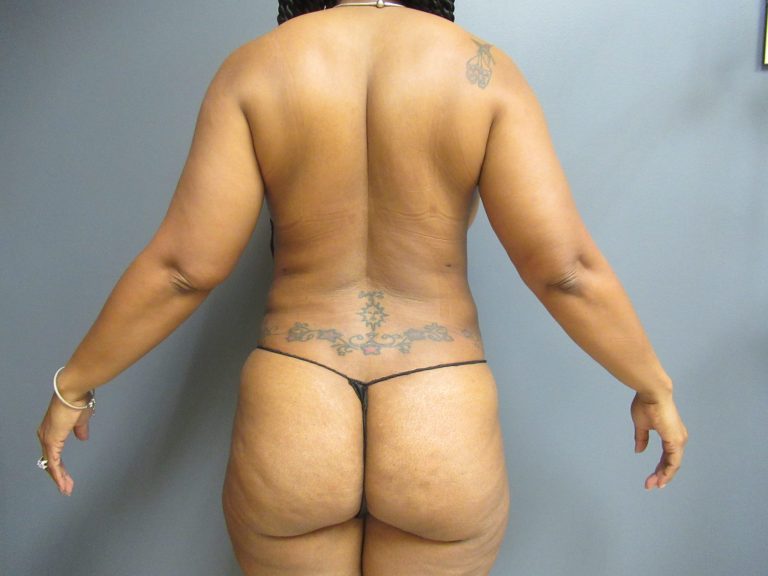
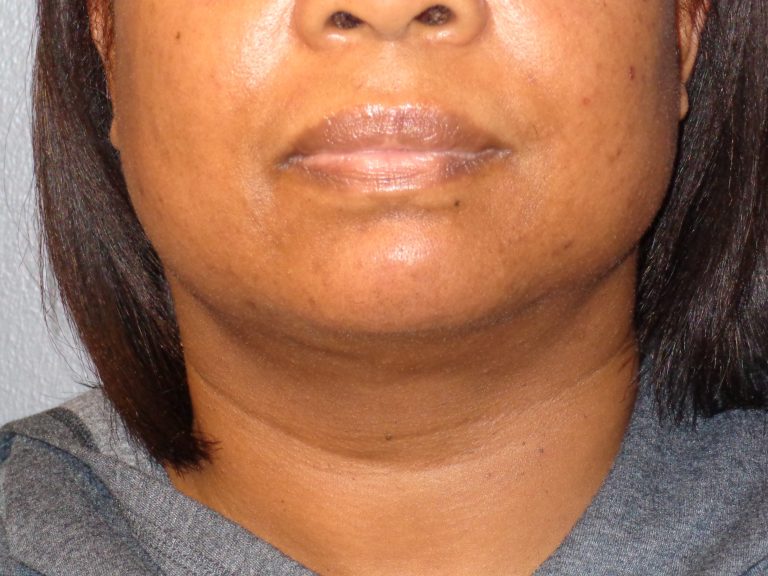
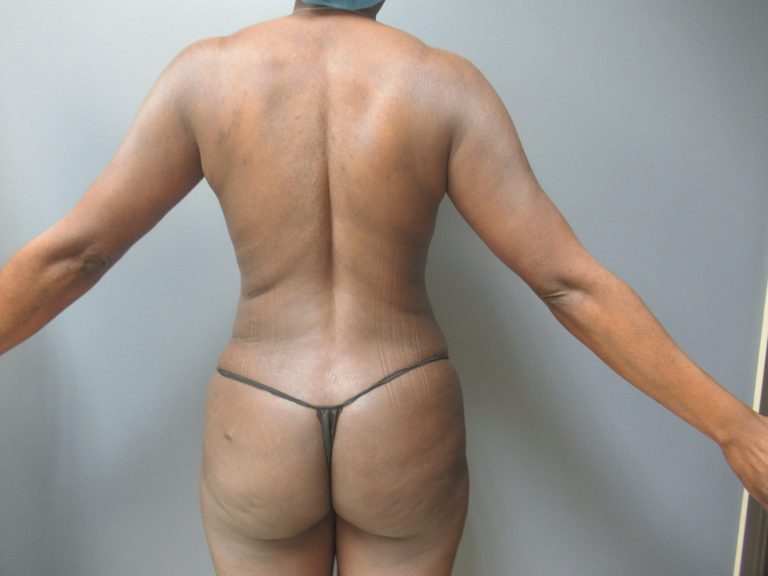
Conversations about body contouring often get flattened into two unhelpful extremes. On one side, there is the idea that surgery is a shortcut that replaces healthy habits. On the other, there is the belief that if someone eats well and exercises consistently, they should never need or want a cosmetic procedure. Real life is messier than that.
In practice, many people who explore liposuction are already doing a lot right. They work out several times a week, cook most of their meals at home, keep an eye on sleep, and still carry stubborn pockets of fat that do not respond the way they hoped. Lower abdomen, flanks, outer thighs, under the chin, upper arms, and back are common examples. These areas can be remarkably resistant even when the rest of the body changes.
That is where the discussion around Liposuction Farmington Hills becomes more useful when it is grounded in health rather than fantasy. Liposuction is not a weight-loss plan. It is not a fix for poor nutrition or an inactive routine. It is a body contouring procedure that can fit into a healthy lifestyle when the right person chooses it for the right reasons, with the right expectations.
What liposuction actually does, and what it does not
Liposuction removes localized fat deposits to improve shape and proportion. That distinction matters. It targets contour, not total-body wellness. Someone can have excellent lab work, strong cardiovascular fitness, and still feel frustrated by a bulge at the waistline that never changes. Another person may want a smoother transition through the hips after major weight loss. Those are contour concerns.
Liposuction does not treat obesity, and it does not create long-term health by itself. It also does not tighten skin to the degree many people imagine. If skin laxity is the main issue, the best plan may involve a different procedure, or sometimes no surgery at all. The healthiest conversations happen when patients hear this early, not after they have built unrealistic hopes around a procedure that was never designed to do those things.
A useful way to think about it is this: diet and exercise influence the engine of your health, while liposuction can refine the body’s silhouette. The two can work together, but they are not interchangeable.
Why healthy people still consider body contouring
Anyone who has spent time around fitness-minded adults knows the pattern. A person loses 20 or 30 pounds, gains muscle tone, and feels better overall, but one or two areas continue to hold fat in a way that seems disconnected from the rest of the body. Genetics plays a large role here. Hormonal changes, age, pregnancy, and weight fluctuations can also shift where the body stores fat.
I have seen this most often in people who are consistent, not extreme. They are not chasing perfection. They simply want their effort to show more proportionately. A man in his forties may carry fullness at the flanks despite regular lifting and clean eating. A woman after pregnancy may regain her strength and stable weight but still see persistent lower abdominal fullness that affects how clothing fits. These situations are common, and they are exactly why liposuction belongs in a nuanced conversation about wellness.
The healthiest candidates tend to approach the procedure from a place of maintenance rather than rescue. They are not waiting for surgery to start taking care of themselves. They have already built habits, and liposuction is considered one tool within that broader commitment.
The best results usually start before surgery
Surgeons often say that liposuction works best when a patient is already near a stable, sustainable weight. That is not marketing language. It reflects how the body responds. When weight is relatively steady, the surgeon can contour with more precision. It also becomes easier for the patient to maintain the result afterward.
A healthy lifestyle before surgery improves more than aesthetics. It can support recovery, reduce complications, and make the post-operative period more manageable. Someone who walks regularly, eats enough protein, stays hydrated, and avoids nicotine typically has a smoother path than someone treating surgery as a reset button.
This is one of the most important points for anyone researching Liposuction Farmington Hills. The procedure fits best into a healthy lifestyle when that lifestyle already exists in a real, practical form. Not perfection, not rigid dieting, and not punishing workouts. Just consistent habits that make recovery and long-term maintenance realistic.
Where liposuction can complement exercise, not compete with it
Exercise changes the body in profound ways, but not always in predictable local patterns. You cannot spot-reduce fat from a specific area through targeted exercise alone. Hundreds of crunches do not guarantee a flatter lower abdomen. Endless side bends do not erase love handles. Training builds muscle and improves metabolic health, but regional fat loss is largely determined by overall energy balance and biology.
That is why some active patients find liposuction emotionally clarifying. It can bring body shape into better alignment with the work they are already doing. After recovery, many patients feel more comfortable in workout clothes, more willing to participate in social activities, and less distracted by a single area they have fixated on for years. These psychological benefits should not be dismissed, though they should also not be oversold. Surgery cannot create self-worth. It can, however, remove a persistent source of frustration for carefully selected people.
I have also seen the reverse problem: people assume liposuction will reveal a toned body without the training required to support it. That expectation usually leads to disappointment. A smoother waistline looks better on a body that is already supported by some degree of muscle tone, posture, and stable weight. The procedure can refine shape, but it cannot replace the visible effects of movement, strength, and good nutrition.
The role of nutrition after liposuction
Once fat cells are removed from a treated area, that area often stores fat differently going forward. But this does not mean future weight gain disappears. If a person gains a significant amount of weight after liposuction, the body can still accumulate fat, including in untreated areas and to some extent in treated ones. The result may be less balanced than before.
That is why maintenance matters so much. Post-procedure nutrition does not need to be obsessive, but it does need to be consistent. Stable eating patterns usually outperform extreme diets by a wide margin. A patient who cycles between strict restriction and rebound overeating may struggle more with long-term satisfaction than a patient who follows a moderate plan they can live with for years.
Protein intake matters for recovery. Hydration matters for healing and comfort. Fiber matters because reduced activity, pain medication, and compression garments can make the early recovery period uncomfortable. These are not glamorous details, but they shape the actual experience more than most people expect.
A practical, balanced routine often includes:
- regular meals with enough protein to support healing and muscle maintenance
- fruits, vegetables, and whole-food carbohydrates for fiber and energy
- steady hydration, especially during the first few weeks of recovery
- minimal alcohol while swelling and bruising are still active
- avoidance of crash diets that can undermine healing and long-term stability
That is not a cosmetic strategy. It is basic body care, and it makes a visible difference.
Recovery is part of the healthy lifestyle equation
People often focus on the procedure day and forget that recovery is where many choices start to matter. Liposuction is common, but it is still surgery. Swelling, bruising, soreness, drainage, fatigue, and temporary contour irregularities are all part of the normal recovery conversation. Compression garments are often required. Activity has to be resumed intelligently, not impulsively.
This is where the healthy lifestyle mindset can become a major asset. Patients who are used to consistency usually handle recovery better because they respect process. They understand delayed gratification. They know that a temporary reduction in workouts does not equal failure. They can follow instructions, pace themselves, and avoid the urge to “test” their body too early.
Walking is usually encouraged soon after surgery, but hard exercise often needs to wait until the surgeon clears it. That pause can be frustrating for active people. It helps to reframe the time off not as a setback but as an investment. Healing tissues need calm, circulation, and patience. The people who recover well are not always the toughest. Often, they are the most disciplined.
Body image, motivation, and the mental side of the decision
A healthy lifestyle is not only about food and exercise. It is also about mindset. That is where liposuction decisions can get complicated.
If someone wants liposuction because they hate their body, because they believe one procedure will save a failing relationship, or because they think a certain number on the scale will suddenly make them happy, that is a warning sign. No responsible consultation should gloss over that. Cosmetic procedures tend to work best when the goal is refinement, not emotional rescue.
By contrast, patients who do well often describe their motivation in measured terms. They want clothes to fit better. They want one resistant area to look more in balance with the rest of their body. They understand improvement is the goal, not perfection. That grounded attitude usually leads to more satisfaction.
There is a subtle but important difference between wanting change and outsourcing your well-being. Healthy candidates still own their daily choices. They do not expect the procedure to do the psychological work of building confidence, boundaries, or self-respect. Those things come from broader life patterns.
Good candidates usually share a few traits
A consultation should always be individualized, but certain Liposuction Farmington HIlls patterns come up repeatedly among strong liposuction candidates.
- They are close to a stable target weight and have maintained it for a meaningful period.
- They have localized fat deposits that have not improved despite reasonable lifestyle effort.
- Their skin has enough elasticity to contract acceptably after fat removal.
- They understand that liposuction is for contouring, not major weight reduction.
- They are prepared to follow recovery instructions and maintain habits afterward.
None of these points are glamorous, but they separate wishful thinking from a sensible treatment plan.
Where location matters, and why local context can help
When people look into Liposuction Farmington Hills, they are not just searching for a procedure. They are looking for access to consultation, follow-up care, and a surgical team that understands how to evaluate the whole picture. Proximity matters more than many first-time patients realize. Early follow-up visits, garment checks, recovery questions, and reassurance during swelling are easier when the practice is local and accessible.
There is also value in choosing a provider who understands the kind of patients common to the area. In a community like Farmington Hills, many patients balancing family life, work demands, and wellness goals want a realistic recovery plan. They are less interested in dramatic sales language and more interested in how long they will be in compression, when they can return to work, what level of swelling is normal at week three, and how to preserve the result through routine life. Those are the right questions.
A strong consultation should cover more than before-and-after photos. It should address candidacy, skin quality, expected downtime, scar placement if applicable, post-operative garments, activity restrictions, and what happens if asymmetry or residual fullness remains. Thoughtful medicine is rarely rushed.
Trade-offs people should understand before moving forward
Every cosmetic procedure involves compromise. Liposuction can create meaningful contour improvement, but it also asks for recovery time, expense, and emotional patience. Final results do not appear overnight. Swelling can linger for weeks, and subtle refinement may continue for months. That waiting period surprises many people, especially those accustomed to immediate feedback from diet changes or gym progress.
There is also the question of texture and skin behavior. Some people have excellent skin recoil and heal beautifully. Others may see residual looseness or minor unevenness, particularly if the treated area had reduced elasticity to begin with. Honest surgeons discuss this before surgery, not after.
Then there is the practical side. Compression garments are not glamorous. Sleep can be awkward. Returning to fitted clothing too early may feel uncomfortable. Social schedules sometimes need to be adjusted. For busy adults, these details matter as much as the surgical technique.
Still, for the right candidate, the trade-off can be worthwhile. Not because liposuction changes who they are, but because it can resolve a stubborn physical concern that did not respond to otherwise healthy effort.
Pregnancy, aging, and weight changes after liposuction
Life rarely stays static after a cosmetic procedure. Patients should think not only about the next six months, but about the next several years. Future pregnancies, menopause, medication changes, stress, injury, and normal aging can all affect body composition.
That does not mean liposuction is pointless unless life is perfectly settled. Very few adults ever reach a stage where nothing may change. It does mean timing deserves thought. Someone planning pregnancy in the immediate future may choose to wait. Someone actively losing a significant amount of weight may benefit from stabilizing first. Someone entering perimenopause may want a candid conversation about how body fat distribution can shift over time.
Healthy decision-making means zooming out. Liposuction should fit your actual life trajectory, not just your current frustration.
What long-term success usually looks like
The best long-term outcomes are often quieter than people expect. They do not always announce themselves with dramatic transformation photos. Sometimes they show up as a person getting dressed faster in the morning because more things fit well. Sometimes it is confidence at the beach without constant tugging at a cover-up. Sometimes it is a patient who says, a year later, “I barely think about that area anymore.”
That last point is telling. Successful body contouring often reduces mental noise. It does not make a person stop caring about health. In many cases, it supports healthier consistency because the patient feels their effort is finally reflected in their shape. Of course, this can go too far if someone starts chasing endless refinements. That is why perspective matters. One thoughtful procedure can fit within a healthy lifestyle. Repeatedly seeking surgery to solve every dissatisfaction is a different pattern altogether.
The healthiest frame for the decision
If you are considering Liposuction Farmington Hills, the most useful question is not “Can this make me thinner?” It is “Does this make sense as one part of how I already care for myself?” That question shifts the conversation in the right direction.
A healthy lifestyle is not a purity test. It is a pattern of decisions that supports physical function, emotional steadiness, and sustainability. In that context, liposuction can be a reasonable choice for someone who is medically appropriate, realistic about outcomes, and committed to maintaining Liposuction Farmington HIlls the result. It is not a substitute for self-care, and it does not need to be.
The people happiest with liposuction are usually the ones who understand that health and aesthetics overlap, but they are not identical. They eat well because they want energy, longevity, and strength. They move their bodies because function matters. They sleep, recover, and manage stress as best they can. And if a resistant pocket of fat still stands apart from the rest of their effort, they may choose a contouring procedure to address it.
Seen through that lens, liposuction is neither a shortcut nor a failure. It is simply one option, best used carefully, within the bigger structure of a life that is already moving in a healthy direction.
Aesthetic Plastic Surgery & Laser Center, Michelle Hardaway M.D.
27920 Orchard Lake Rd
Farmington Hills, MI 48334
(248) 221-1957
FAQ About Liposuction Farmington Hills
What disqualifies you from getting liposuction in Farmington Hills?
A surgeon may recommend postponing or avoiding liposuction if a health condition, medication, or nicotine use raises the risk of surgery or poor healing. A consultation is needed to assess your medical history and whether the procedure fits your goals.
Can liposuction remove 20 pounds?
Liposuction is a body contouring procedure for localized fat. It is not a weight loss treatment, and a specific number of pounds is not a safe or useful target. The surgeon determines how much can be removed safely for each patient.
What are the risks of liposuction?
Risks include infection, changes in sensation, uneven contours, and complications from anesthesia or blood clots. A plastic surgeon can explain which risks apply to you and what to expect during recovery.